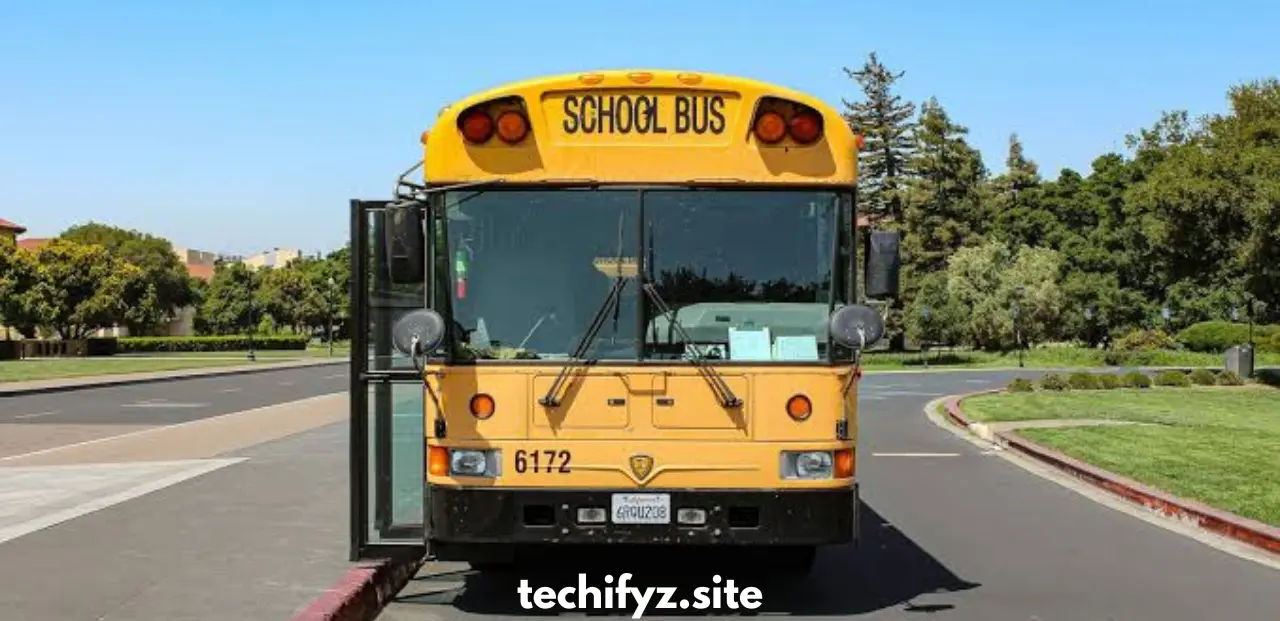
9 Benefits of School Bus Security Cameras Every Parent Should Know
Introduction
Every weekday across the United States, more than 25 million students travel on school buses, according to the National Center for Education Statistics (NCES). For many households, the bus ride marks both the beginning and the end of a child’s school day.
However, it is also the part of the day parents rarely witness.
Many parents believe school buses are extremely safe—and statistics support that belief. The National Highway Traffic Safety Administration (NHTSA) consistently identifies school buses as one of the safest transportation options for children. Still, safety on and around the bus depends on more than vehicle design. It relies on visibility, responsibility, and quick action when issues arise.
This is where school bus security cameras play an important role.
Modern AI-powered bus camera systems do more than simply capture video. They can identify potential threats, automatically label incidents, send notifications, and help school staff respond quickly.
If you are a parent wondering whether bus cameras truly improve safety, here are two important, evidence-based advantages worth understanding.
1. They Help Prevent Bullying and Misbehavior on the Bus
Bullying continues to be a serious concern in schools. According to the National Center for Education Statistics, approximately 19% of students between the ages of 12 and 18 report experiencing bullying.. Although much of this occurs inside school buildings, buses are frequently mentioned as common locations.
Why does this happen?
- Limited supervision from adults
- A confined environment
- Students of different ages sharing the same space
- Longer travel times
When buses are equipped with cameras, student behavior often changes.
Several school districts have observed noticeable decreases in reported bus misconduct after installing camera systems. Visibility plays an important role. When students know their behavior is being recorded, incidents of verbal harassment, physical conflict, or vandalism often decline.
For parents, this provides several benefits:
- Fewer risky interactions
- Greater accountability among students
- Clear evidence if an incident occurs
2. They Protect Students from Stop-Arm Violations
Stop-arm violations represent one of the most serious dangers children encounter around school buses.
According to the National Association of State Directors of Pupil Transportation Services (NASDPTS), school bus drivers report more than 45 million illegal pass-by incidents each year across the country.
This means vehicles pass stopped school buses illegally thousands of times every single day.
External cameras mounted on buses can:
- Capture license plate numbers
- Record vehicles that ignore stop signals
- Provide evidence for law enforcement investigations
Some states, including Georgia and Maryland, have implemented stop-arm camera programs that issue citations and have helped reduce violations in certain districts.
For parents, this safety measure is extremely important. The most dangerous moment during a bus ride occurs when children are getting on or off the bus. Camera systems help reduce this risk by monitoring and documenting unsafe driving behavior.
3. They Offer Clear Evidence During Disputes
When concerns arise—whether related to student behavior, driver actions, or a traffic incident—human memory can often be inaccurate.
Recorded video provides:
- Clear timelines
- Visual proof of events
- Less dependence on conflicting statements
According to reports from the insurance industry, transportation-related claims can cost school districts millions of dollars every year. Video documentation allows schools to resolve disagreements more quickly and fairly.
For families, this provides:
- Quicker answers
- Stronger accountability
- Reduced uncertainty
4. They Strengthen Driver Accountability and Training
School bus drivers carry significant responsibility every day. Cameras are not only used to monitor students—they also protect drivers.
Interior bus cameras help to:
- Review driving practices
- Investigate reported concerns
- Provide feedback for training
- Protect drivers from incorrect accusations
In many school districts, video recordings have helped clear drivers from misconduct claims by showing the full situation.
Better documentation supports better training. And stronger training results in safer transportation for students.
5. They Support Faster Emergency Response
Older bus camera systems required staff to review long hours of footage after an incident occurred.
Modern systems operate very differently.
AI-powered school bus camera systems can:
- Identify unusual activity
- Automatically tag important events
- Send alerts to administrators
- Upload recordings to secure platforms
For instance, some platforms, including Coram’s school bus camera systems, are built to improve fleet safety by identifying threats in real time, automatically labeling incidents, and sending footage directly to a central dashboard. These systems function without traditional NVR hardware and significantly reduce the time administrators spend searching through recordings.
This change makes a significant difference.
Instead of responding hours later, schools can take action much faster—sometimes within minutes.
In emergency situations, quick response can save lives.
6. They Shorten Investigation Time for Schools
School administrators often manage many responsibilities. Manually reviewing video footage can take considerable time.
AI-supported systems allow schools to:
- Search footage by event type
- Filter recordings by time or location
- Automatically highlight unusual activity
This greatly reduces the time required for investigations.
In districts operating large transportation fleets—sometimes more than 100 buses—manual video reviews are almost impossible to manage efficiently. Intelligent monitoring systems simplify the process while maintaining student safety.
7. They Improve Parent Confidence and Transparency
Trust is everything in education.
When schools communicate that buses are equipped with security cameras, it reassures families that student safety is a priority.
Transparency builds confidence.
Some districts report improved parent satisfaction after implementing bus surveillance programs because:
- Incidents are documented
- Communication improves
- Investigations are faster
Parents may never see the footage—but knowing it exists provides peace of mind.
8. They Help Monitor External Threats Around the Bus
Safety risks are not limited to inside the vehicle.
External-facing cameras help monitor:
- Suspicious individuals near bus stops
- Aggressive drivers
- Unsafe road conditions
- Accidents
In rural areas especially, buses may travel long distances with limited supervision. External cameras provide visibility across every route.
In urban districts, cameras help document traffic violations and improve route safety planning.
9. They Support Data-Driven Safety Improvements
The biggest advantage of modern bus camera systems is not just recording incidents—it’s learning from them.
Aggregated video insights help districts:
- Identify high-risk stops
- Analyze traffic patterns
- Adjust routes
- Improve driver training
- Allocate supervision resources
According to transportation safety research, data-informed interventions reduce accident rates significantly compared to reactive strategies.
When bus systems generate usable data instead of just raw footage, safety becomes proactive rather than reactive.
Questions Parents Should Ask About School Bus Camera Systems
If your child regularly travels by school bus, it can be helpful to ask your school district a few important questions:
- Do buses include both interior and exterior camera systems?
- How long is recorded footage kept?
- Is the video monitored live or only checked after an incident occurs?
- Are stop-arm violations captured and reported to authorities?
- What steps are taken to protect student privacy?
These answers are important.
Key Takeaways
- More than 25 million students ride school buses each day in the United States.
- School bus stop-arm violations exceed 45 million incidents every year.
- Camera systems discourage bullying and inappropriate behavior.
- Video recordings help resolve disputes and speed up investigations.
- AI-based systems allow quicker threat identification and response.
- External cameras protect students during boarding and drop-off times.
- Video data helps school districts improve long-term transportation safety.
FAQs
Q:Are school bus cameras allowed by law?
Yes. School buses are public vehicles managed by school districts. Cameras are generally installed following state regulations and district policies.
Q:Do bus camera systems record audio?
Some school districts allow audio recording, but rules differ depending on the state. Schools must follow local privacy laws.
Q:How long is camera footage kept?
Storage periods vary by district, but many keep recordings between 14 and 45 days unless they are required for an investigation.
Q:Can cameras stop accidents from happening?
They cannot prevent every accident, but they discourage unsafe behavior, capture violations, and help improve response times.
Q:Are parents allowed to request video footage?
Policies vary among districts. In most cases, recordings are only released through official request procedures to protect student privacy.
Conclusion: Safer School Bus Rides Begin With Visibility
School buses are already considered one of the safest ways for children to travel. However, safety continues to improve as technology evolves.
Modern school bus security cameras do more than record events. They provide accountability, transparency, deterrence, and faster responses when problems occur.
For parents, this reduces uncertainty.
If your school district already uses bus cameras, ask how the system operates. If it does not, consider starting the conversation. Safety improves when families stay informed and involved.
What questions do you still have about your child’s school bus safety?