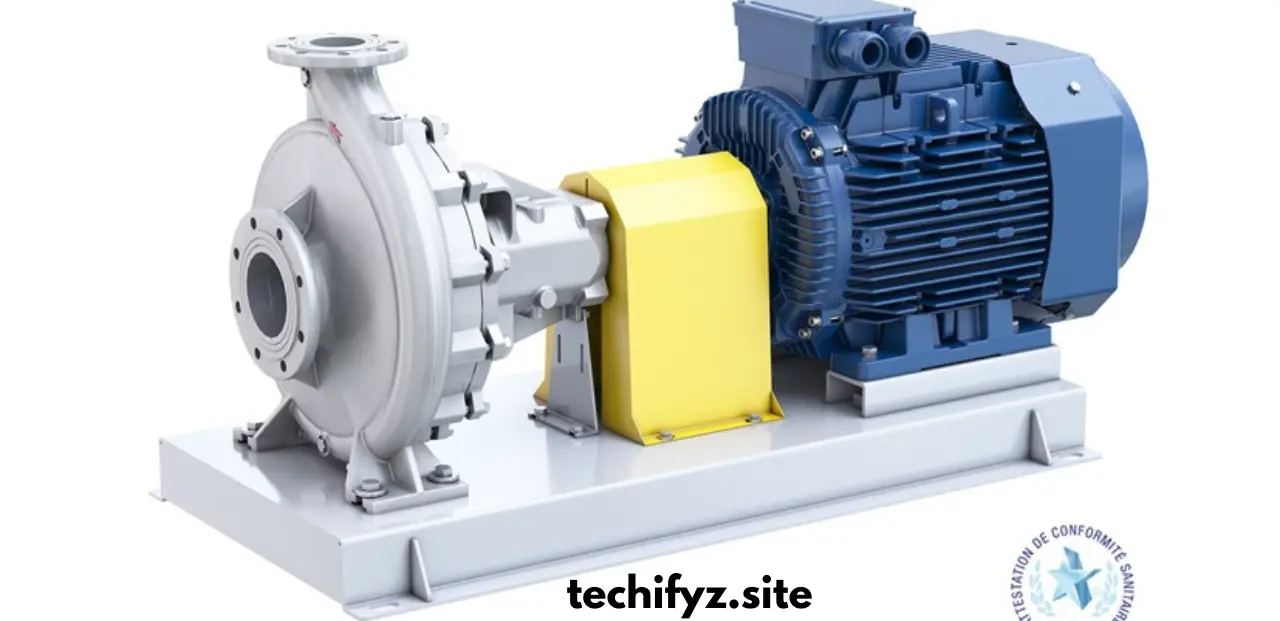
Essential Maintenance Tips for Sulzer Centrifugal Pumps
Introduction
In many industrial environments, pumps operate quietly behind the scenes. They often receive little attention unless a problem occurs. However, these machines play a vital role in moving water, chemicals, and other fluids through systems that factories and treatment plants rely on daily.
Centrifugal pumps are commonly used because they can transfer large amounts of liquid efficiently. They are found in power stations, manufacturing facilities, and wastewater treatment plants. When maintenance is overlooked, minor issues can develop quickly. Leaks near seals, unusual vibrations, or reduced fluid flow are often early indicators of trouble.
Routine inspections help stop these issues before they turn into expensive system failures. Many facilities depend on Sulzer centrifugal pumps for demanding operations because they are known for durability and reliable performance. Learning how to maintain these pumps properly is the first step toward ensuring systems continue operating smoothly.
Why Regular Maintenance Makes a Big Difference
Industrial pumps operate under constant pressure and motion. Inside the system, the impeller rotates at high speed while seals, bearings, and shafts endure ongoing mechanical stress. With time, even small faults can impact overall performance.
A damaged seal, blocked filter, or poorly aligned component may seem insignificant at first, but these issues gradually lower efficiency and increase energy consumption.
Regular maintenance allows technicians to detect such problems early. Basic inspections and routine servicing help keep the pump performing close to its intended design level.
Many industrial plants rely on Sulzer Centrifugal Pumps because they are built to handle continuous operation in demanding environments.
When maintenance becomes a regular part of plant management, several advantages appear:
- Lower energy usage due to smoother and more efficient operation
- Fewer sudden breakdowns that disrupt production processes
- Longer equipment life with fewer major repairs required
Over time, these preventive actions protect both the pump and the larger system it supports.
Common Problems That Appear When Pumps Are Neglected
When maintenance is ignored, minor mechanical issues can slowly develop into serious failures. Gradual wear inside the pump may reduce efficiency, create excessive vibration, and eventually cause costly shutdowns. Recognizing the most frequent problems helps operators identify warning signs early before damage spreads throughout the system.
Seal Leaks
Mechanical seals are built to stop fluid from escaping where the rotating shaft passes through the pump housing. These seals operate under pressure and friction, which means they slowly wear down over time. When a seal begins to deteriorate, liquid may start leaking around the shaft area.
Beyond wasting valuable fluid, leaks can introduce safety hazards and contaminate nearby equipment. Regular inspection helps detect worn seals early before they lead to more serious problems.
Bearing Wear
Bearings support the spinning shaft and allow the impeller to rotate smoothly. If lubrication levels fall or the lubricant becomes dirty, friction rises inside the bearing assembly. This can result in overheating, unusual sounds, or noticeable vibration.
According to reliability recommendations from the Hydraulic Institute, bearing damage is among the most frequent causes of pump downtime in industrial operations. Routine lubrication inspections help prevent this problem.
Cavitation
Cavitation occurs when pressure inside the pump drops below the vapor pressure of the liquid. Tiny vapor bubbles form and collapse when they enter areas with higher pressure. As these bubbles collapse, they strike the impeller surfaces and gradually cause damage.
For instance, in a water circulation system, cavitation may create a loud rattling noise along with strong vibration. If the issue continues, it can slowly erode impeller blades and reduce the pump’s efficiency.
Essential Maintenance Tips for Sulzer Centrifugal Pumps
Proper maintenance does not require complicated tools or specialized equipment. In many cases, simple routine inspections can prevent the issues that typically lead to pump failure. When operators follow a consistent inspection routine, they can notice small performance changes and address them before they become serious problems.
Check for Unusual Noise or Vibration
One of the easiest ways to detect issues early is by observing how the pump sounds and feels during operation. A properly maintained pump should run smoothly with very little vibration.
Operators should watch and listen for:
- knocking or scraping sounds
- sudden increases in vibration
- changes in the pump’s normal operation
These warning signs often appear before mechanical components fail. If vibration increases or unusual noise appears, it is best to shut down the pump and inspect the bearings, alignment, and internal parts.
Monitor Flow and Pressure
Pump performance should stay close to its intended operating conditions. Any change in system flow or pressure may indicate internal wear, blockages, or problems with seals.
Important indicators to track include:
- flow rate moving through the system
- discharge pressure readings
- motor power consumption
If the pump starts consuming more power while producing less flow, it often signals a drop in efficiency. Keeping regular records of these values helps operators recognize performance changes early.
Lubricate Bearings on Schedule
Bearings are essential parts that enable the shaft to rotate smoothly. Without proper lubrication, friction rises and heat builds inside the bearing housing.
Correct lubrication helps:
- reduce friction between moving components
- avoid overheating
- increase the lifespan of bearings
Maintenance teams should always follow the manufacturer’s recommended lubrication intervals and use the correct lubricant type. Insufficient lubrication may lead to wear, while excessive lubrication can also generate heat and pressure within the bearing assembly.
Inspect Mechanical Seals and Gaskets
Mechanical seals and gaskets keep fluids contained within the pump casing. Over time, these parts may wear out due to pressure, temperature fluctuations, and exposure to chemicals.
Routine inspections should check for:
- visible leaks near the seal area
- signs of damage or cracking
- misalignment of seal components
Replacing worn seals early is far more cost-effective than repairing damage caused by continuous leakage.
Keep the Pump and Intake Clean
Clean operating conditions help centrifugal pumps maintain steady flow and strong efficiency. Dirt, sediment, or scale buildup inside the system can limit flow and place extra stress on the pump.
Maintenance teams should periodically:
- clean or replace intake filters
- check suction lines for obstructions
- remove buildup inside connected piping systems
These simple cleaning practices help ensure fluid reaches the pump without restriction, allowing the system to run more efficiently over time.
Monitor Flow and Pressure
Pump performance should stay close to its intended operating conditions. Any change in system flow or pressure may indicate internal wear, blockages, or problems with seals.
Important indicators to track include:
- flow rate moving through the system
- discharge pressure readings
- motor power consumption
If the pump starts consuming more power while producing less flow, it often signals a drop in efficiency. Keeping regular records of these values helps operators recognize performance changes early.
Lubricate Bearings on Schedule
Bearings are essential parts that enable the shaft to rotate smoothly. Without proper lubrication, friction rises and heat builds inside the bearing housing.
Correct lubrication helps:
- reduce friction between moving components
- avoid overheating
- increase the lifespan of bearings
Maintenance teams should always follow the manufacturer’s recommended lubrication intervals and use the correct lubricant type. Insufficient lubrication may lead to wear, while excessive lubrication can also generate heat and pressure within the bearing assembly.
Inspect Mechanical Seals and Gaskets
Mechanical seals and gaskets keep fluids contained within the pump casing. Over time, these parts may wear out due to pressure, temperature fluctuations, and exposure to chemicals.
Routine inspections should check for:
- visible leaks near the seal area
- signs of damage or cracking
- misalignment of seal components
Replacing worn seals early is far more cost-effective than repairing damage caused by continuous leakage.
Keep the Pump and Intake Clean
Clean operating conditions help centrifugal pumps maintain steady flow and strong efficiency. Dirt, sediment, or scale buildup inside the system can limit flow and place extra stress on the pump.
Maintenance teams should periodically:
- clean or replace intake filters
- check suction lines for obstructions
- remove buildup inside connected piping systems
These simple cleaning practices help ensure fluid reaches the pump without restriction, allowing the system to run more efficiently over time.
Choosing the Right Pump Model for the Job
Maintenance becomes far simpler when a pump is correctly matched to the system it supports. If the wrong pump is chosen, it may run outside its optimal operating range. This often results in constant vibration, overheating, or quicker wear of internal components. Selecting the proper model from the beginning helps avoid many of these issues.
Engineers usually evaluate several factors before deciding on a pump:
- required system pressure
- expected flow capacity
- the type of liquid being handled
- operating temperature and environmental conditions
For instance, systems that demand higher pressure frequently use multistage Sulzer Centrifugal Pumps, such as the MBN series built for heavy industrial use. Multistage configurations allow pressure to rise gradually across several impellers, helping maintain stable operation in applications like boiler feed systems and industrial water circulation.
When a pump properly matches the system’s requirements, it performs more efficiently and maintenance becomes much easier to manage.
Simple Habits That Extend Pump Life
Even a high-quality pump can wear out faster if daily operating practices are neglected. Small routines followed by operators and maintenance teams can significantly increase the lifespan of centrifugal pumps.
A few practical habits can make a noticeable difference:
- Maintain a basic inspection routine to check vibration, sound, and temperature.
- Record operating data such as flow rate and pressure to monitor performance trends.
- Fix minor leaks or alignment problems before they turn into major failures.
- Train staff to identify early warning signs like unusual noise or changing pressure levels.
Many modern facilities also rely on digital monitoring systems to track pump performance continuously. Sensors can identify changes in vibration or temperature and notify maintenance teams before serious damage occurs. These simple measures help pumps remain dependable for many years.
Conclusion
Centrifugal pumps are built for durability, but they still require regular care to operate at peak performance. When maintenance is neglected, small issues such as damaged seals or inadequate lubrication can quickly develop into larger mechanical problems.
Simple maintenance practices can make a significant difference. Routine inspections, correct lubrication, and regular performance monitoring help prevent the most common pump failures. Selecting the appropriate pump for the system and maintaining good operating habits also minimize unnecessary wear.
A consistent maintenance plan protects both the pump and the entire process it supports. Evaluating current maintenance routines and making small improvements today can help ensure smoother operations and fewer costly disruptions in the future.