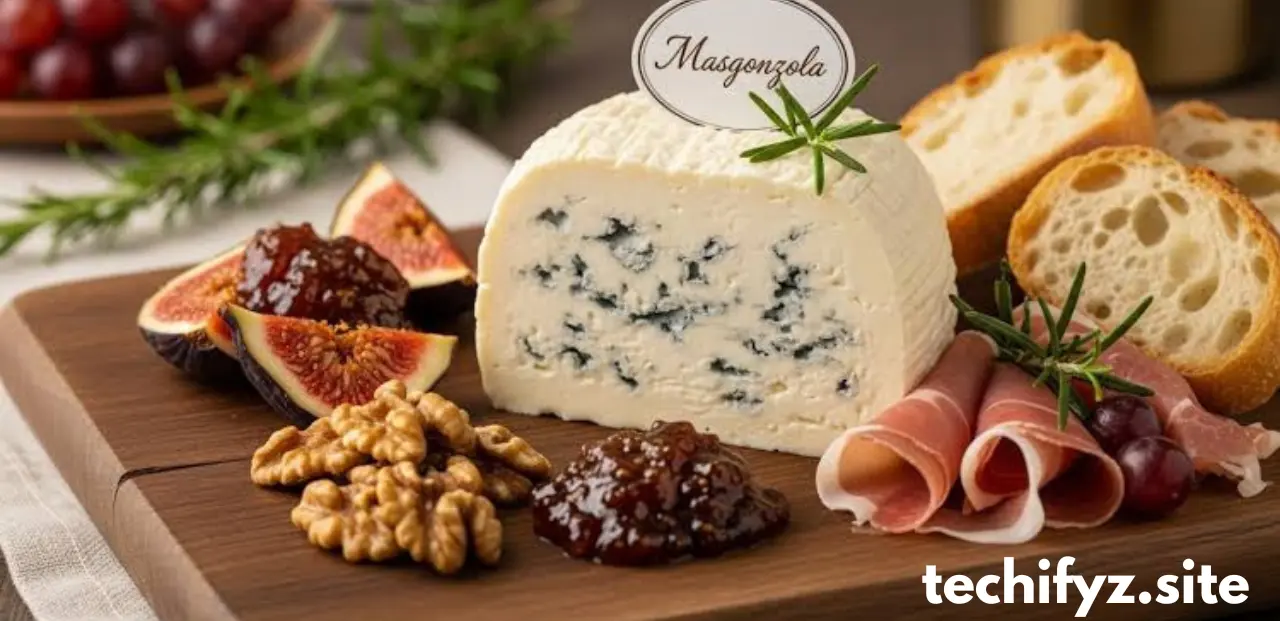
Masgonzola: The New Blue Cheese Sensation
Introduction
Masgonzola is steadily attracting interest in the food world as a distinctive and innovative cheese combination. By blending the silky richness of mascarpone with the sharp, tangy character of blue cheese, especially Gorgonzola, Masgonzola offers a fresh interpretation of a classic ingredient. Thanks to its balanced flavor and flexible use in cooking, it is becoming popular among professional chefs, home cooks, and cheese enthusiasts. In this article, we will look at what Masgonzola is, its taste characteristics, how it is produced, and the different ways it can be used in everyday cooking.
What Is Masgonzola?
Masgonzola is a blended cheese that brings together two famous components of Italian cheese traditions: mascarpone and Gorgonzola. Mascarpone is a soft and creamy cheese with a delicate sweetness, often used in desserts and smooth sauces. Gorgonzola, however, is a blue-veined cheese recognized for its bold, tangy flavor and crumbly consistency.
When combined in Masgonzola, the velvety texture of mascarpone merges with the savory sharpness of blue cheese. The delicate blue veins appear throughout the creamy base, producing a cheese that feels rich yet balanced. This makes it an appealing option for people who enjoy the taste of blue cheese but prefer a gentler intensity.
The Creation of Masgonzola
Unlike many classic cheeses that trace their origins back hundreds of years, Masgonzola is considered a more contemporary creation that creatively blends traditional cheese styles. Although it does not have the long heritage of protected cheeses like Gorgonzola, it has rapidly gained popularity among those searching for new and interesting flavors.
The preparation of Masgonzola generally follows several steps:
- Beginning with mascarpone — the foundation is prepared from fresh cream and milk, producing a soft and luxurious cheese base.Adding Gorgonzola — small portions of Gorgonzola curds or blue cheese cultures are blended in, allowing the signature blue veins to develop and contribute their flavor.
- Maturation — although Masgonzola is not aged as long as classic blue cheeses, it undergoes a short aging stage so the veins can form and the flavors can blend smoothly.
The final result is a creamy, soft cheese with a mild blue taste that works beautifully in many culinary preparations.
Flavor Profile of Masgonzola
Masgonzola is appreciated for its smooth, spreadable texture, which distinguishes it from the drier and crumbly structure of many traditional blue cheeses. Its taste combines creamy richness with the recognizable savory edge of blue cheese.
- Creaminess: The mascarpone base provides a silky, soft texture that spreads easily and adds richness to a wide range of dishes.
- Mild Blue Flavor: While the cheese still delivers the familiar flavor of blue cheese, Masgonzola is less intense than many traditional varieties, making it more approachable for newcomers.
- Subtle Sweetness: Mascarpone also contributes a slight sweetness that balances the stronger blue cheese notes, creating a smoother and more harmonious flavor overall.
Because of this balanced profile, Masgonzola is often considered a perfect introduction for people who find stronger blue cheeses overwhelming but still want to experience their complex, savory character.
Culinary Uses for Masgonzola
Masgonzola is a highly adaptable cheese that fits well into both savory meals and sweet creations. Its velvety consistency and balanced taste make it suitable for a wide variety of recipes. Below are several creative ideas for incorporating Masgonzola into your cooking.
1. As a Spread
One of the easiest and most enjoyable ways to serve Masgonzola is by spreading it on fresh bread or crisp crackers. Its soft texture spreads smoothly, while its flavor provides a rich and satisfying taste. It can be paired with fruits such as figs or pears, or topped with a drizzle of honey to create a delightful mix of sweet and savory flavors.
2. In Pasta Dishes
Masgonzola blends wonderfully into creamy pasta sauces. Adding it to dishes like carbonara or Alfredo enhances the sauce with extra depth and richness. The gentle blue notes balance the creaminess perfectly, making it a great companion for meals such as mushroom pasta or spinach-filled ravioli.
3. In Salads
Because of its smooth consistency, Masgonzola works very well in fresh salads, particularly those that include roasted vegetables or grilled proteins. It can be crumbled over a spinach salad with walnuts and a balsamic dressing to create a vibrant dish. Masgonzola also pairs nicely with sliced apples, roasted beets, or citrus fruits, adding an interesting contrast of flavors.
4. On Pizza
Masgonzola can bring a rich, creamy element to pizza recipes. It may be used as the primary cheese base or added on top as a finishing ingredient. Its gentle blue flavor pairs well with toppings such as caramelized onions, crispy bacon, or goat cheese. Because of its soft texture, it melts beautifully, making it an excellent option for pizza.
5. As a Cheese Board Addition
Masgonzola is a wonderful choice for a cheese board thanks to its creamy feel and mild blue taste. It pairs well with crackers, fresh fruits, and cured meats to create a balanced platter. Its smooth texture contrasts nicely with firmer cheeses like Parmesan or Manchego, while also complementing softer varieties such as brie.
6. In Desserts
Although cheese is not always linked with desserts, Masgonzola’s gentle sweetness makes it suitable for creative sweet dishes. It pairs surprisingly well with dark chocolate or can be used in fruit-based cheese tarts. Some chefs even blend it into cheesecake fillings or cream pastries to give traditional desserts a distinctive and elegant twist.
Pairing Masgonzola with Wine
Just like many premium cheeses, Masgonzola pairs beautifully with a variety of wines. Its creamy body and gentle blue notes make it suitable for both white and red wine selections. Here are several pairing suggestions that work particularly well:
- White Wines: Crisp and refreshing white wines such as Sauvignon Blanc, Chardonnay, or Moscato complement the creamy character of Masgonzola. These wines provide balance by cutting through the richness while allowing the cheese’s delicate flavor to remain noticeable.
- Red Wines: Those who prefer red wine may enjoy pairing Masgonzola with Pinot Noir or Merlot. Their light tannins and subtle fruit flavors enhance the smooth texture of the cheese without overwhelming it.
- Beer: Masgonzola also pairs well with certain beers, particularly pale ales or amber ales. The slight malt sweetness in these beers helps balance the tangy elements of the cheese.
Why Masgonzola Is Becoming Popular
Masgonzola is attracting growing interest for several reasons:
- Approachability: Because of its creamy texture and mild blue flavor, it serves as a comfortable introduction for people who are new to blue cheeses.
- Versatility: It works well in both savory meals and sweet recipes, making it suitable for many types of dishes and snacks.
- Gourmet Appeal: With its rich taste and smooth texture, Masgonzola is often viewed as a refined ingredient that fits perfectly in both elegant dining experiences and everyday cooking.
As more food enthusiasts discover its balanced taste, Masgonzola is appearing more frequently on cheese boards, in restaurant recipes, and as a favorite ingredient in home kitchens.
Conclusion
Masgonzola is an exciting modern cheese that blends the creamy softness of mascarpone with the distinctive tang of blue cheese. Its smooth texture and balanced flavor make it a versatile ingredient that can enhance many different dishes. Whether added to pasta, salads, or a cheese platter, Masgonzola provides a unique yet approachable version of blue cheese that appeals to a wide range of tastes.
If you are interested in expanding your gourmet cheese selection or simply want to try something flavorful and different, Masgonzola can be an excellent option.
If you would like suggestions for recipes using Masgonzola or advice on where to find it nearby, feel free to ask.